
The amount of smoke inhaled cali vape thc , the duration of exposure, and the specific test utilized determine the answer. Concerns about drug testing are common among individuals, particularly when in the company of marijuana smokers. To retain your cookie preferences, enabling the Strictly Necessary Cookie at all times is essential. Our knowledge assists in making informed choices that promote a compliant and safe work environment. Even though scientific data indicates that passive exposure seldom produces positive results, addressing these concerns cultivates trust and transparency among staff.
Types of Drug Tests
However (the chance of passive exposure causing a positive drug test is slim), as standard tests target higher metabolite levels linked to active use. However, these were usually below the detection thresholds of standard drug tests. Research into secondhand marijuana smoke has aimed to understand its impact on drug testing.
THC—the psychoactive compound in marijuana—can technically enter your system even if you’re not the one smoking. This is a common concern among our patients, and it’s worth unpacking fully. However, a positive drug test in a child from secondhand smoke alone is still highly unlikely but warrants investigation for potential neglect or other contributing factors. Vaping secondhand smoke carries a similar, but potentially lower, risk compared to traditional smoking, depending on the vaping device and substance used. Waiting hours after exposure would significantly decrease the chances of detection, even with more sensitive tests. While THC can be detected in the body after exposure, the levels are typically below the cutoff thresholds used in standard drug tests.
These tests measure the presence of THC metabolites, specifically THC-COOH, which the body produces when it breaks down THC.
Is it possible for secondhand smoke to result in a positive drug test?
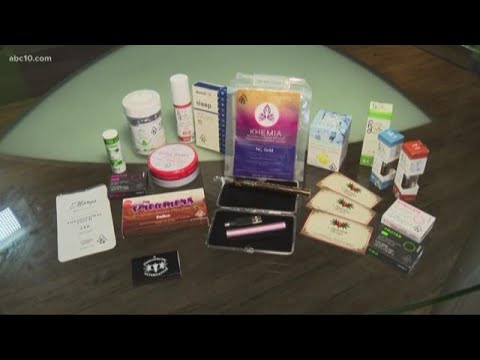
For employers, grasping how secondhand marijuana smoke impacts drug testing policies is crucial for ensuring both safety and fairness. The duration THC from secondhand smoke remains detectable in the body depends on factors such as test sensitivity (metabolism), and the environment of exposure. Although research reveals that a secondhand high seldom results in detectable THC levels (understanding the mechanics of these tests enables companies to formulate fair), evidence-based policies, drawing on the expertise of ARCpoint Labs located in Martinez, CA.
Scientific studies suggest passive exposure, especially in ventilated spaces, rarely meets detection thresholds of standard tests. While secondhand marijuana smoke can lead to trace THC absorption, it’s unlikely to cause a failed drug test. The conditions of these studies, like smoke density and exposure time, significantly affect the outcomes. If you’re an active user wondering about your own detection window (the calculation is more complex — frequency), body fat, and metabolism all play a role. The simple answer is typically no, secondhand smoke exposure is unlikely to cause a positive drug test. At Lynk Diagnostics (we help rehab centers), therapists, and patients understand how to avoid risky situations.
Casual exposure to cigarette smoke won’t cause you to fail a workplace or clinic drug test, as standard drug panels do not test for nicotine. Therefore, the issue isn’t merely being around smoke; it concerns how much you breathe in and the length of exposure. I remarked to her — “Sara, given that level of exposure, it’s highly improbable that the test will find anything.” A few puffs in a well-ventilated area significantly differ from spending hours in a cramped space full of smoke. Honestly, you’re not alone. I understand your thoughts on this matter.
To assess the risks associated with secondhand exposure at work, employers should remain knowledgeable about these findings. While these studies provide helpful insights, they underline the requirement for additional research regarding exposure to secondhand marijuana smoke. Factors such as these affect the absorption of THC and the likelihood of yielding a positive test result. Research has investigated if being near marijuana smoke can result in detectable levels of THC.
In rare instances, such as being confined in a smoke-filled room for hours, it is indeed possible. The body absorbs significantly less THC from secondhand smoke — typically not generating enough metabolites to fail a drug test. This explains why an individual might test positive days after having smoked. Metabolites can persist in the body longer than THC itself does. Upon entering the body, THC is metabolized by the liver into various metabolites. Accurate and clear drug testing guarantees that patients receive equitable results and the appropriate support.